May 29, 2026
How Much Is the Cost of Living in Tamarindo, Costa Rica? A Real Budget Guide Before You Move, Rent, or Buy
If you are researching the cost of living in Tamarindo, Costa Rica, you are probably trying to answer a bigger question than “How much does rent cost?”
You may be wondering whether you can afford to live in Tamarindo comfortably, whether you should rent first or buy, or whether a property here could work as both a second home and a rental investment.
That is the right way to think about it.
Tamarindo is not the cheapest place to live in Costa Rica. It is one of Guanacaste’s most desirable beach towns, with surf, restaurants, walkability, international community, rental demand, and real estate options that attract expats, retirees, remote workers, families, and investors.
That lifestyle has value, but it also has a price.
The smartest way to understand the Tamarindo cost of living is not to chase one perfect monthly number. It is to understand what actually drives your budget: housing, location, air conditioning, transportation, imported groceries, restaurants, HOA fees, maintenance, and whether you plan to rent, buy, or rent the property out part time.
Budget Snapshot: Tamarindo Cost of Living at a Glance
The Tamarindo cost of living depends heavily on your lifestyle, property type, and location. Public estimates vary. Wise estimates the average monthly cost for one person in Tamarindo at around $2,219 in 2026, with property as the largest expense category. International Living notes that a couple’s budget can reach around $2,000 to $3,000 per month with a car, frequent dining out, and imported goods.
Lifestyle Budget Overview
|
Lifestyle Type
|
Best For
|
Main Budget Drivers
|
| — | — | — |
|
Lean beach lifestyle
|
Singles, flexible renters
|
Smaller rental, local food, limited AC, walking or scooter
|
|
Comfortable expat lifestyle
|
Couples, retirees, remote workers
|
Better location, reliable internet, restaurants, transportation
|
|
Family lifestyle
|
Families moving to Tamarindo
|
Larger home, school, healthcare, groceries, car
|
|
Property-owner lifestyle
|
Buyers, second-home owners
|
HOA, maintenance, insurance, furnishing, reserves
|
|
Investment lifestyle
|
Part-time owners, rental buyers
|
Management, cleaning, guest readiness, vacancy, repairs
|
|
High-comfort coastal lifestyle
|
Buyers wanting views and amenities
|
Premium location, pool, AC, security, higher upkeep
|
The key takeaway: housing is usually the biggest variable, but it is not the only one. Electricity, air conditioning, imported groceries, transportation, HOA fees, maintenance, and rental-readiness costs can change your monthly budget quickly.
Not sure which category fits you? Send Lauren your target monthly budget, lifestyle goals, and whether you plan to rent, buy, or generate rental income. She can help you understand which Tamarindo property type actually matches your numbers before you commit.
Quick Answer: What Is the Cost of Living in Tamarindo, Costa Rica?
The short answer: Tamarindo can be moderate, comfortable, or premium depending on how you live, but it should be budgeted as a desirable beach town, not as “cheap Costa Rica.”
A single person renting simply, cooking at home, and using air conditioning carefully will have a very different budget from a couple living near the beach, dining out often, driving daily, and paying HOA fees in a condo or gated community.
Expat Exchange estimates that some expats may live in Tamarindo around $1,500 to $2,000 per month, but also notes that housing costs vary significantly by location and property type.
That range is useful because it shows the truth: there is no single perfect number. Your real monthly budget depends on whether you are living in Tamarindo, moving to Tamarindo, or buying property with a long-term plan.
Living in Tamarindo: Why Your Budget Depends on Lifestyle
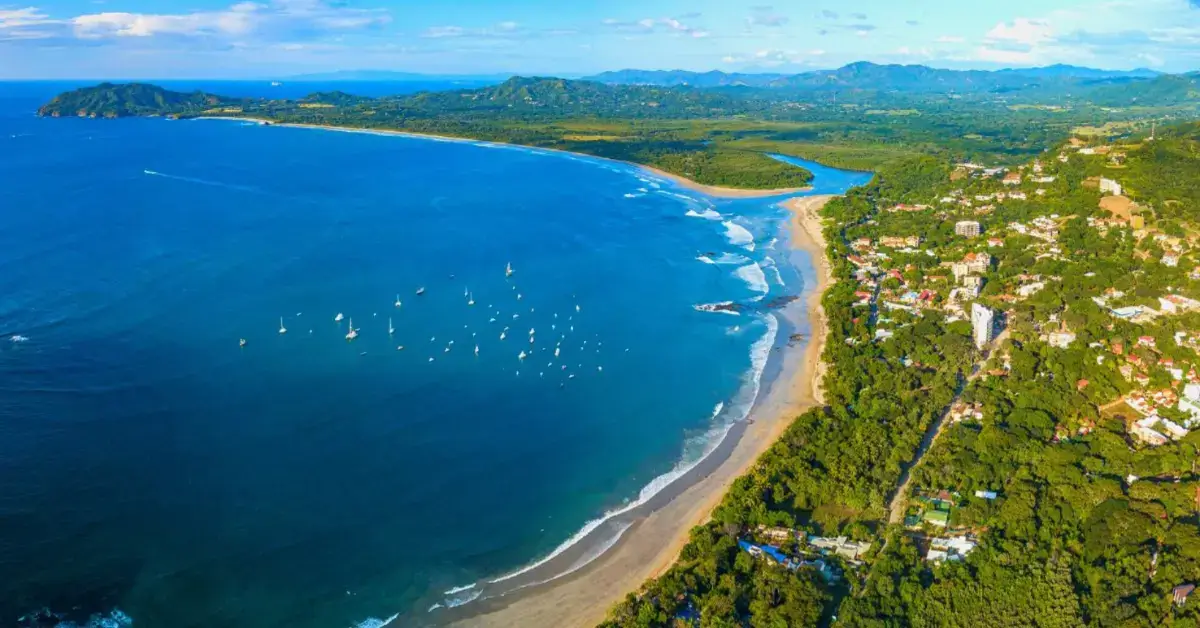
Living in Tamarindo can feel easy, social, and convenient. You have beach access, surf, restaurants, cafés, gyms, clinics, schools nearby, and access to Liberia International Airport.
But convenience is one of the reasons Tamarindo costs more than quieter Costa Rican beach towns.
Tamarindo has strong tourism, a large international community, vacation rental demand, and real estate interest from foreign buyers. International Living also notes that Tamarindo’s cost of living has risen with the growth of North American and European expats.
I have not lived full time in Tamarindo, so I do not want to pretend there is one universal experience. But after living in Sámara, Tamarindo clearly feels more expensive. There is more tourism, more North American demand, more international dining, more imported goods, and more services priced around convenience.
That does not make Tamarindo a bad value. It simply means your budget should match the lifestyle you actually want.
If your dream is to walk to the beach, surf before work, eat out several times a week, host visitors, and live in a polished condo or home, your budget should reflect that. If your goal is to live simply, cook at home, stay flexible on location, and avoid unnecessary car use, you can control more of your monthly costs.
Moving to Tamarindo: What to Budget Before You Arrive
When people think about moving to Tamarindo, they usually focus on monthly expenses. But the first few months often cost more because you are setting up a new life.
Before you arrive, budget for:
- Temporary accommodation
- Rental deposits
- Furniture or household items
- Transportation setup
- Internet installation
- Healthcare or insurance decisions
- Pet relocation if needed
- School visits if moving with children
- An emergency cushion
For buyers, the setup phase can be even more important. If you purchase a home, condo, or villa, you may also need to think about:
- Furnishing
- Repairs
- Utility transfers
- HOA fees
- Insurance
- Property management
- Rental readiness
Do not build your Tamarindo budget around the cheapest possible month. Build it around a normal month plus a cushion.
Tamarindo Housing Costs: Rent vs. Buy Changes Everything
Housing is usually the largest part of the Tamarindo cost of living. It is also where real estate decisions matter most.
If you are renting, your main questions are:
- What is the monthly rent?
- How much is the deposit?
- Are utilities included?
- Is the property furnished?
- How close is it to the beach?
- Do you need a car?
If you are buying, the questions change. You need to think about:
- Purchase price
- Closing costs
- HOA fees
- Maintenance
- Insurance
- Furnishing
- Property management
- Vacancy planning
- Whether the property can support rental income
This is why comparing rent to buying is not as simple as comparing one monthly payment to another.
When Renting First Makes Sense
Renting first can be smart if you are still learning the area. It gives you time to test:
- Walkability
- Road conditions
- School logistics
- Neighborhood feel
- Grocery routines
- Beach access
- How much air conditioning you actually use
Renting first is not hesitation. Sometimes it is good research.
When Buying in Tamarindo Makes Sense
Buying may make sense if you already know you want to spend serious time in Tamarindo, want more control over your living environment, or are looking for a second home or investment property.
For many buyers, Tamarindo is attractive because it can combine lifestyle and rental potential. But the numbers need to be realistic.
The question is not only:
Can this property rent?
The better question is:
Does this property still make sense after I include HOA, maintenance, management, cleaning, furnishing, vacancy, and realistic owner use?
That is where a local real estate agent can help you avoid choosing the wrong property type.
How Location Changes Your Tamarindo Budget
In Tamarindo, location affects almost everything.
A property close to the beach or town center may cost more, but it may reduce transportation needs. A home farther out may offer more space or a lower purchase price, but you may need a car, golf cart, scooter, or regular rides.
International Living makes the same point: the closer you want to live to the beach and town, the more you are likely to pay for housing, while going farther out can mean needing a vehicle.
That is why “cheaper” is not always cheaper.
A lower-rent home outside town may become less attractive once you add vehicle costs, fuel, maintenance, parking, and time. A condo near the beach may cost more monthly, especially with HOA fees, but it may better support walkability and vacation rental demand.
For buyers, look at the full monthly picture:
- Purchase price or rent
- HOA fees
- Utilities
- Transportation
- Maintenance
- Rental demand
- Lifestyle convenience
- Resale appeal
Tamarindo Utilities Cost: Electricity, Internet, and AC
When people ask about Tamarindo utilities cost, they usually mean electricity and internet. Those matter, but the real issue is variability.
Electricity can change a lot depending on the property. A shaded condo with moderate AC use is one thing. A larger home with multiple bedrooms, pool equipment, laundry, daytime cooling, and frequent guest use is another.
Numbeo lists basic monthly utilities for an 85 m² apartment in Tamarindo at around ₡45,899 without AC, with broadband internet around ₡26,671. However, it also notes that its Tamarindo data is based on a small contributor pool, so it should be treated as a reference point rather than a guarantee.
For remote workers, internet is not just a convenience. It affects income. If your work depends on video calls, uploads, or a stable connection, ask about service quality and backup options before choosing a rental or property.
For owners, utilities can also include:
- Pool care
- Garden maintenance
- Water systems
- Pest control
- Security monitoring
- Equipment replacement
Groceries, Restaurants, and Daily Lifestyle Spending
Daily spending in Tamarindo depends heavily on whether your lifestyle is local, international, or somewhere in between.
If you cook at home, buy local produce, stay flexible with brands, and eat at simple local restaurants, your budget can stay more controlled.
If you prefer imported products, specialty foods, premium snacks, convenience shopping, and frequent dining out, the monthly total rises quickly.
Numbeo lists an inexpensive meal in a local restaurant in Tamarindo at around ₡6,000 for lunch and a mid-range three-course meal for two at around ₡30,000.
This is where Tamarindo can feel different from other beach towns. Tamarindo has more tourist-focused restaurants, more imported products, more international expectations, and more opportunities to spend like you are on vacation.
That is the trap.
A two-week vacation budget is not the same as a sustainable monthly budget. If you are testing whether living in Tamarindo is realistic, separate groceries from restaurants. That gives you more control.
Hidden Costs People Miss When Moving to Tamarindo
One reason people misjudge the cost of living in Tamarindo, Costa Rica, is that they budget for visible expenses and forget the hidden ones.
The most common hidden costs are:
- HOA fees
- Heavy AC use
- Property maintenance
- Furnishing
- Transportation changes
- Healthcare
- School costs
- Pet care
- Cleaning services
- Property management
- Vacancy planning for rental properties
HOA fees deserve special attention. A good HOA can be valuable because it may support security, landscaping, amenities, exterior maintenance, and community standards. But it is still a real monthly cost.
Maintenance reserves matter too. Even if nothing is broken today, tropical climate, salt air, humidity, guest use, and normal wear can create future expenses.
For buyers, this is especially important because a property can look affordable at purchase and still feel expensive month to month if you did not plan for ownership costs.
What Changes If You Plan to Rent the Property Out Part Time?
If you plan to buy a Tamarindo property and rent it out part time, your budget changes completely.
You are no longer just planning your personal cost of living. You are planning an operating budget.
That means you need to consider:
- Seasonality
- Occupancy
- Cleaning
- Management
- Guest communication
- Furnishing standards
- Repairs
- Utilities during guest stays
- Owner storage
- Insurance
- Marketing
- Vacancy
Rental income can help offset ownership costs, but it should not be treated as guaranteed. The property still needs to make sense when occupancy is lower than expected or when maintenance comes up.
This is where property type matters.
A condo may offer easier maintenance and HOA support. A house may offer more privacy and flexibility, but it may require more hands-on upkeep. A villa may have stronger rental appeal, but also higher operating costs.
The best property is not always the cheapest one. It is the one that fits your lifestyle, budget, and rental strategy.
Common Budget Mistakes Before Moving to Tamarindo
The First Mistake: Planning Around Best-Case Numbers
People assume utilities will be low, they will cook all the time, they will not need transportation, and maintenance will be minimal.
The Second Mistake: Comparing Properties Only by Rent or Purchase Price
A lower-priced home may require more transportation, more maintenance, or more setup costs.
A higher-priced condo may include amenities, security, location, and walkability that reduce other expenses.
The Third Mistake: Forgetting High Season
Tamarindo is a seasonal market. Availability, rental rates, guest demand, and short-term rental performance can all change depending on the time of year.
The Fourth Mistake: Treating Rental Income as Guaranteed
Rental demand can be strong, but no property should be evaluated only on optimistic projections.
The Fifth Mistake: Choosing Location Before Understanding Lifestyle
If your dream is daily surf and no car, location matters. If your dream is privacy and space, your best fit may be outside the center.
Final Takeaway: Plan the Tamarindo Lifestyle Around Real Numbers
The cost of living in Tamarindo, Costa Rica, can be manageable, comfortable, or premium depending on the choices you make.
Tamarindo is not the cheapest beach town in Costa Rica, but that is not why people choose it. People choose Tamarindo because it offers lifestyle, walkability, surf, community, restaurants, convenience, rental demand, and long-term real estate appeal.
The important thing is to be honest about the numbers before you move, rent, buy, or invest.
Housing, utilities, groceries, transportation, HOA fees, maintenance, and rental strategy all matter. When you understand those pieces early, you can avoid surprises and make a smarter decision about whether Tamarindo is the right fit.
If you are comparing rentals, second homes, or investment properties in Tamarindo, send Lauren your budget and lifestyle goals. She can help you understand what property type actually fits before you overcommit to the wrong location or monthly cost.
Ready to Plan Your Move, Second Home, or Investment in Tamarindo?
Whether you are comparing rentals, thinking about buying, or wondering if rental income could help offset your costs, Lauren Mantey can help you look at the numbers realistically.
Share your budget, lifestyle goals, and must-haves, and Lauren will help you identify the Tamarindo property options that actually fit your plan.
Contact me today
FAQs
What Is the Average Cost of Living in Tamarindo, Costa Rica?
The average cost of living in Tamarindo depends on your lifestyle, housing choice, location, and whether you rent or own. Tamarindo is not the cheapest beach town in Costa Rica, so it is better to budget it as a premium coastal destination with strong expat demand, tourism, restaurants, and real estate activity.
For most people, housing will be the biggest monthly cost. After that, the main budget drivers are electricity, air conditioning, groceries, dining out, transportation, healthcare, HOA fees, maintenance, and property management if you own a rental property.
Is Living in Tamarindo Expensive?
Living in Tamarindo can be more expensive than living in quieter Costa Rica beach towns, especially if you want to be close to the beach, eat out often, use air conditioning heavily, buy imported groceries, or live in a modern condo or gated community.
That said, Tamarindo can still offer strong value for buyers and relocators who want walkability, beach access, restaurants, surf, an international community, and rental demand.
The key is not asking whether Tamarindo is “cheap,” but whether the lifestyle and property type fit your real monthly budget.
Is Tamarindo More Expensive Than Sámara?
Yes, Tamarindo generally feels more expensive than Sámara. Sámara has a quieter, more laid-back rhythm, while Tamarindo has more tourism, more North American expat demand, more international restaurants, more nightlife, and a stronger vacation rental market.
I have lived in Sámara, and from that comparison, Tamarindo feels noticeably more expensive. That does not mean Tamarindo is overpriced. It means you are paying for a different level of convenience, activity, rental potential, and international infrastructure.
For some people, Sámara may feel more local and relaxed. For others, Tamarindo is worth the premium because it offers more restaurants, services, social life, walkability, and real estate demand.
What Should I Know Before Moving to Tamarindo?
Before moving to Tamarindo, you should understand that your first few months may cost more than your normal monthly budget.
You may need to pay for:
- Deposits
- Temporary accommodation
- Furniture
- Transportation setup
- Internet installation
- Healthcare costs
- School-related expenses
- Pet relocation
- Other setup costs
You should also decide what matters most:
- Walkability
- Beach access
- Space
- Privacy
- Rental income
- Schools
- Strong internet
- Being close to restaurants and services
Those lifestyle choices will shape your budget more than any average number online.
Should You Rent First or Buy in Tamarindo?
You should rent first if you are still testing the area, comparing neighborhoods, learning your daily routine, or unsure whether Tamarindo is the right long-term fit.
Renting gives you time to understand:
- Walkability
- Road conditions
- School logistics
- Transportation needs
- Noise levels
- Beach access
- How much space you actually need
Buying can make sense if you already know Tamarindo fits your lifestyle, you plan to spend significant time there, or you want a second home or investment property with rental potential.
The key is to compare the full cost of ownership, not just the purchase price.
A smart decision should connect three things:
- Your lifestyle
- Your budget
- Your long-term plan
If those three match, buying may be the better move. If they are still unclear, renting first can give you better data before making a larger commitment.
What Are the Biggest Hidden Costs of Living in Tamarindo?
The biggest hidden costs are usually:
- Electricity
- Air conditioning
- HOA fees
- Property maintenance
- Transportation
- Imported groceries
- Setup costs
- Healthcare
- School costs
- Insurance
- Property management
For buyers, hidden costs matter even more. A property may look affordable based on the purchase price, but the monthly reality can change once you include HOA fees, maintenance reserves, furnishing, repairs, insurance, guest-readiness, and vacancy planning.
Can Rental Income Offset the Cost of Owning Property in Tamarindo?
Yes, rental income can help offset the cost of owning property in Tamarindo, especially if the property is well located, guest-ready, and suitable for vacation rental demand.
But rental income should not be treated as guaranteed.
Owners still need to budget for:
- Management
- Cleaning
- Repairs
- Utilities
- Furnishing updates
- Vacancy
- Insurance
- HOA fees
- Maintenance
The better question is not only:
Can this property rent?
It is:
Does this property still make sense if rental income is conservative?
What Type of Property Is Best for My Tamarindo Budget?
The best property depends on how you plan to live or invest.
A condo may be easier to maintain and better for lock-and-leave ownership, but HOA fees need to be included.
A house may offer more privacy and flexibility, but it can require more maintenance.
A villa may have strong rental appeal, but it usually needs a larger operating budget.
The right property is not always the cheapest one. It is the one that fits your lifestyle, monthly budget, maintenance comfort level, and long-term goals.
How Can Lauren Help Me Plan My Tamarindo Budget?
Lauren can help you connect your budget with real Tamarindo property options.
Instead of guessing based on online averages, you can look at what your monthly budget actually supports:
- Condo
- House
- Villa
- Walkable location
- Gated community
- Rental-friendly property
- Quieter area outside town
If you are thinking about moving to Tamarindo, renting first, buying a second home, or investing in a rental property, Lauren can help you understand which property type fits your numbers before you commit.